


A good South Indian sambar is a tangy, mildly spiced lentil and vegetable stew made with toor dal, tamarind, mixed vegetables, and a special spice blend called sambar powder. It brings a South Indian meal together and is commonly served with idli, dosa, rice, or vada.
The classic preparation combines cooked toor dal with tamarind pulp, vegetables such as drumstick, pumpkin, and tomato, and a tempering of mustard seeds, curry leaves, and dried chillies. Its signature flavour comes from balancing three elements: the sourness of tamarind, the mild heat of sambar powder, and the savoury richness of dal.
When prepared well, sambar is comforting, nourishing, and full of flavour without feeling too heavy. This recipe covers the traditional sambar ingredients, the step-by-step cooking method, and restaurant-style tips to help you recreate the taste of a good Mysore Tiffanys meal at home.
Understanding What Makes Sambar, Sambar
Before you start cooking, it helps to understand the three essential components of an authentic South Indian sambar. Get these right, and the dish comes together beautifully.
- The dal base: Toor dal (split pigeon peas), cooked until soft, gives sambar its body and protein.
- The sour element: Tamarind pulp provides the characteristic tangy flavour.
- The spice blend: Sambar powder, made with roasted lentils, coriander, chillies, and other spices, adds depth and mild heat.
The key is to balance all three. If one element is missing or overpowering, the sambar can taste flat or unbalanced. Understanding this combination is the foundation of a good sambar.
Gathering Your Ingredients
Sambar uses everyday ingredients, many of which may already be available in your kitchen. The table below lists the ingredients needed to prepare a standard pot of vegetable sambar for a family.
| Component | Ingredients | Role |
|---|---|---|
| Base | Toor dal, water, turmeric | Creates a soft, protein-rich base |
| Sour element | Tamarind pulp | Adds the signature tang |
| Vegetables | Drumstick, pumpkin, tomato, onion, carrot | Contribute texture and natural sweetness |
| Spice | Sambar powder, salt | Adds flavour and mild heat |
| Tempering | Oil, mustard seeds, curry leaves, dried chilli, hing | Provides aroma and a flavourful finish |
Once you have these traditional sambar ingredients ready, the cooking process is straightforward.
How to Make South Indian Sambar, Step by Step
Follow these steps in order to prepare a well-balanced pot of sambar. The method is simple once you understand the sequence.
- Cook the dal. Pressure-cook the toor dal with turmeric and water until completely soft. Mash it until smooth and keep it aside.
- Soak the tamarind. Soak a lemon-sized ball of tamarind in warm water. Squeeze it well and strain the pulp.
- Cook the vegetables. Add the harder vegetables, such as drumstick and pumpkin, to a pot of water and cook first. Add softer vegetables later so they do not become mushy.
- Combine the flavours. Add the tamarind pulp and sambar powder to the vegetables. Let the mixture simmer so the flavours blend.
- Add the dal. Stir in the mashed dal and salt. Mix well and simmer gently for a few minutes.
- Temper and finish. Heat oil in a small pan. Add mustard seeds and let them crackle, then add curry leaves, dried chilli, and a pinch of hing. Pour this tempering over the sambar.
Following this sequence helps you make South Indian sambar with a balanced combination of tanginess, spice, and savoury flavour. The final tempering adds the aroma that brings the dish together.
Restaurant-Style Secrets
A homemade sambar and a restaurant-style version often use similar ingredients. So, what makes the restaurant version taste richer? A few small techniques can make a noticeable difference.
What Gives It That Finished Taste
- Fresh sambar powder: Freshly roasted and ground spices can provide a more vibrant flavour than an old or stale spice mix.
- A pinch of jaggery: A small amount of jaggery can balance the sourness and heat without making the sambar sweet.
- Proper tempering: Do not skip or rush this step. The final tadka contributes much of the dish’s aroma.
- The right consistency: Sambar should be neither too thick nor too watery. It should coat idli and rice comfortably without feeling heavy.
These simple refinements give a restaurant-style sambar recipe more depth. The difference often comes from careful preparation rather than unusual ingredients.
What to Serve Sambar With
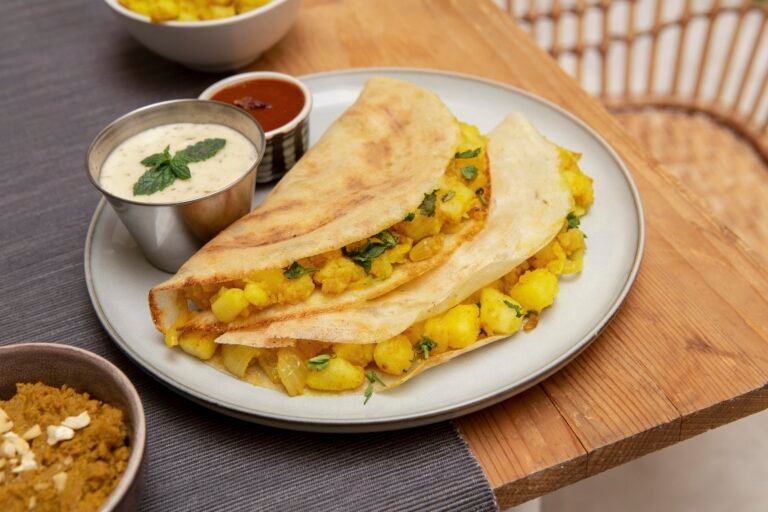
Sambar is versatile and pairs well with almost every South Indian staple. It is a classic accompaniment to idli and dosa, blends beautifully with plain rice, and turns a simple vada into a satisfying meal.
It also complements a full breakfast spread, as explored in our guide to South Indian breakfast dishes, and is an important part of the traditional food of Karnataka.
In short, one well-prepared pot of sambar can bring an entire South Indian meal together.
From Family Recipe to Restaurant Favourite
Sambar is one of those dishes that keeps customers coming back, which is why it holds an important place on South Indian restaurant menus. Its familiar taste, everyday appeal, and use of accessible ingredients make it a popular part of the menu.
At Mysore Tiffanys, sambar served alongside fresh idli and dosa is part of the dining experience that has helped the brand earn a 4.6-star rating across more than 6,019 Google reviews. The recipes have been developed under the guidance of founder Dr. Chef Shajahan M Abdul.
If preparing these classics inspires you to explore the food business, joining an established brand can provide a starting point with an existing concept and operating support. You can explore opportunities such as an idli franchise business or a dosa franchise in India.
To learn more, contact the Mysore Tiffanys team at +91 90359 82324 or franchise@mysoretiffanys.com, or visit the franchise page.
Frequently Asked Questions
Q1. What are the main ingredients in South Indian sambar?
The main ingredients are toor dal, tamarind, mixed vegetables, and sambar powder. Sambar is finished with a tempering of mustard seeds, curry leaves, dried chilli, and hing. Toor dal gives it body and protein, tamarind adds the characteristic sourness, and sambar powder brings mild heat and flavour. Vegetables such as drumstick, pumpkin, and tomato add texture.
Q2. Which dal is best for sambar?
Toor dal, also known as split pigeon peas, is the traditional choice for sambar. It cooks until soft and gives the stew its thick, comforting consistency and protein. Some cooks add a little moong dal for extra smoothness, but toor dal remains the main ingredient in traditional South Indian sambar.
Q3. How do I make restaurant-style sambar at home?
Use fresh sambar powder, add a small pinch of jaggery to balance the sourness, prepare the final tempering carefully, and maintain the right consistency. Sambar should not be too thick or watery. These small details can give homemade sambar a richer flavour and the finish commonly found in restaurant-style preparations.
Q4. Can I make sambar without tamarind?
Tamarind gives sambar its classic sourness, but you can use a little lemon juice or raw mango if tamarind is unavailable. The flavour will be slightly different because tamarind has a deeper, more distinctive sourness. For a traditional taste, tamarind is recommended, but these alternatives can work when needed.
Q5. What dishes go well with sambar?
Sambar pairs well with several South Indian staples, including idli, dosa, and vada. It also tastes delicious with plain rice and completes a traditional breakfast or lunch spread. Its tangy and savoury flavour complements both soft, steamed dishes and crisp, griddle-cooked foods.