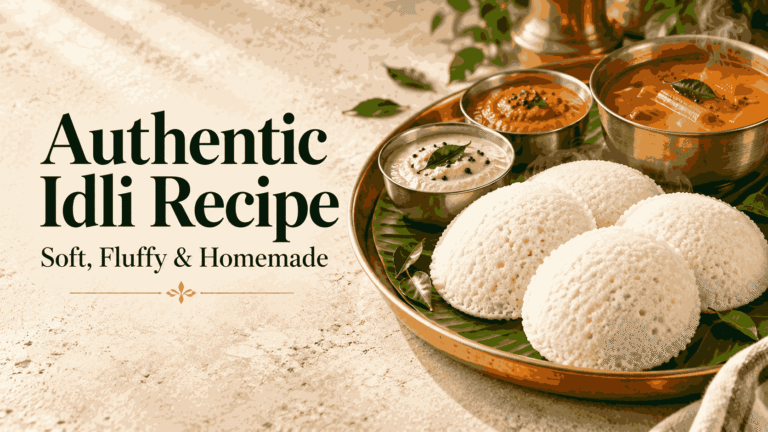



North Indian vs South Indian food comes down to a few key differences: staple grains, cooking fats, spices, and preparation methods. North Indian cuisine commonly features wheat-based breads such as roti, naan, and paratha, along with dairy products like ghee, butter, and cream. It is also known for rich gravies and slow-cooked curries. South Indian cuisine, on the other hand, centres on rice and lentils, uses coconut and coconut oil in many dishes, and includes popular fermented foods such as dosa and idli.
North Indian meals are often rich and filling, while South Indian meals frequently feature rice-based dishes with tangy flavours and a variety of accompaniments. Both cuisines offer plenty of flavourful vegetarian options, but their ingredients, cooking techniques, and food traditions create distinct dining experiences. Neither is better than the other. Each reflects the region’s geography, agricultural practices, and cultural history.
This guide explores the key differences between North Indian and South Indian food, from ingredients and cooking styles to everyday eating habits, with insights into regional cuisine from specialists like the team at Mysore Tiffanys.
Why the Two Cuisines Are So Different
Geography plays an important role in shaping the differences between North and South Indian food. North India’s plains and agricultural conditions have traditionally supported wheat cultivation, making wheat-based foods such as roti, naan, and paratha common staples. In South India, rice-growing conditions have made rice an essential part of everyday meals.
Local ingredients also influence cooking styles. Dairy products such as ghee, butter, and paneer are widely used in many North Indian dishes. In South India, coconut is a common ingredient, particularly in coastal regions, where it is used in chutneys, curries, and other preparations.
Historical influences have also contributed to the development of both cuisines. Mughal and Persian influences can be seen in several North Indian dishes, including rich gravies, kebabs, and slow-cooked preparations. South Indian cuisine has its own long-standing culinary traditions, including rice-based meals, fermented foods, and dishes influenced by regional and temple-food practices.
Together, these geographical and historical influences explain many of the differences found in everyday North and South Indian meals.
The Core Differences at a Glance
A side-by-side comparison makes it easier to understand how the two cuisines differ. The table below highlights some of their most recognisable characteristics.
| Feature | North Indian food | South Indian food |
|---|---|---|
| Staple grain | Wheat, used in roti, naan, and paratha | Rice, used in meals, dosa, and idli |
| Common fats | Ghee, butter, and cream | Coconut and coconut oil, along with other cooking oils |
| Typical dishes | Curries, paneer dishes, and tandoori preparations | Dosa, idli, sambar, and rice-based dishes |
| Flavour profile | Often rich, aromatic, and warming | Often tangy, savoury, and influenced by fermentation |
| Cooking styles | Slow-cooked gravies, roasting, and tandoor cooking | Steaming, tempering, fermenting, and rice-based preparations |
This comparison captures the broad differences between the two cuisines. However, both regions have diverse food traditions, and ingredients and cooking methods can vary considerably from one state or community to another.
Breaking Down the Main Contrasts
Beyond the basic comparison, a closer look at ingredients and preparation methods helps explain what makes North Indian and South Indian food distinctive.
Grains and Breads
In North India, wheat-based breads are a common part of everyday meals. Roti, naan, and paratha are often served alongside vegetable dishes, lentils, paneer preparations, and curries. These breads are used to scoop up gravies and make up an important part of the meal.
In South India, rice generally takes centre stage. It is served plain with sambar, rasam, and vegetable preparations or used to make dishes such as dosa, idli, and Bisi Bele Bath. Rice-based foods are central to breakfast, lunch, and dinner in many South Indian households.
This difference in staple grains influences how meals are prepared, served, and enjoyed across the two regions.
Spices and Fats
North Indian cooking often uses spice combinations such as garam masala, cumin, coriander, and cardamom. These spices add warmth and aroma to curries, gravies, and other preparations. Ghee, butter, cream, and yoghurt are also used in several regional dishes, contributing to their rich textures and flavours.
South Indian cooking commonly features mustard seeds, curry leaves, tamarind, dried red chillies, and black pepper. Coconut is used in different forms, including grated coconut, coconut milk, and coconut oil. These ingredients contribute to the distinctive flavours found in dishes such as sambar, coconut chutney, and regional vegetable curries.
While North Indian dishes are often associated with rich gravies and aromatic spice blends, South Indian dishes frequently combine tanginess, savouriness, and spice. However, the flavour and richness of both cuisines depend on the individual dish and regional recipe.
Eating Habits and Food Culture
The differences between the two cuisines extend beyond ingredients to everyday eating habits and food traditions.
In South India, meals are often served on banana leaves or plates in a thali-style arrangement. Rice is usually the centre of the meal, accompanied by dishes such as sambar, rasam, vegetable curries, poriyal, curd, pickle, and papad. Fermented breakfast dishes such as dosa and idli are also common in many households.
In North India, meals frequently revolve around wheat-based breads served with a main curry, dal, vegetables, or yoghurt. Popular breakfast choices include stuffed parathas, poha in some regions, and other local preparations.
These habits reflect the wider food traditions of both regions. South Indian food culture, with its rice-based meals and fermentation techniques, is explored further in our guides to traditional food of Karnataka and classic South Indian dishes.
Understanding these traditions shows that regional cuisine is about more than individual recipes. It also reflects how people prepare, serve, and enjoy food as part of everyday life.
What They Share in Common
Despite their differences, North Indian and South Indian cuisines have several things in common. Both use a wide range of spices, offer extensive vegetarian food choices, and give food an important place in family gatherings, festivals, and celebrations.
Both cuisines also include a variety of lentil preparations, vegetable dishes, rice-based meals, and regional specialities. Over time, their popularity has spread across India and internationally. Today, people can enjoy dosa in North India, paneer dishes in South India, and many other regional foods far from their places of origin.
These regional differences contribute to India’s diverse food culture. Rather than choosing one cuisine over the other, diners can enjoy the variety and distinctive flavours that both bring to the table.
The Growing Love for South Indian Food
South Indian food has gained popularity well beyond its home region. Dishes such as dosa, idli, sambar, and uttapam are now widely available across North India and in international food markets. Their variety of flavours, vegetarian options, and different preparation styles have helped introduce the cuisine to a wider audience.
This growing interest has also created opportunities for businesses looking to enter the food and restaurant industry. For those interested in bringing South Indian cuisine to their city, Mysore Tiffanys offers franchise formats such as a veg restaurant franchise in India and a dosa franchise in India.
Mysore Tiffanys has a 4.6-star rating across more than 6,019 Google reviews. Its franchise support includes assistance with site selection, staff training, store design, and marketing.
If you are interested in bringing authentic South Indian food to your city, contact the team at +91 90359 82324 or franchise@mysoretiffanys.com. You can also visit the Mysore Tiffanys franchise page to learn more.
Frequently Asked Questions
Q1. What is the main difference between North and South Indian food?
The main difference lies in the staple ingredients and cooking styles. North Indian food commonly features wheat-based breads such as roti, naan, and paratha, along with dairy-rich curries and gravies. South Indian food is largely rice-based and includes lentils, coconut, and fermented dishes such as dosa and idli. North Indian food is often rich and aromatic, while South Indian food frequently features tangy and savoury flavours.
Q2. Which is healthier, North or South Indian food?
Both North Indian and South Indian food can be part of a balanced diet. South Indian dishes such as idli and steamed preparations are often made with less oil, while North Indian meals offer nutritious options such as dal, roti, and vegetable curries. The nutritional value depends on the ingredients, portion sizes, and cooking methods used rather than the cuisine alone.
Q3. Why does South Indian food use so much rice and coconut?
Rice and coconut are widely used in South Indian cuisine because they are important agricultural products in several parts of the region. Rice is a staple grain, while coconut is commonly used in chutneys, curries, and other preparations. Their availability and long-standing use in local cooking traditions have helped shape the region’s distinctive food culture.
Q4. Is North Indian or South Indian food spicier?
Neither cuisine is always spicier than the other. North Indian dishes often use aromatic spice combinations such as garam masala, cumin, and cardamom. South Indian dishes commonly feature mustard seeds, curry leaves, tamarind, and dried chillies. The level of heat depends on the specific recipe and the amount of chilli and spices used.
Q5. Can one restaurant serve both North and South Indian food?
Yes, many restaurants serve dishes from both North and South Indian cuisines. However, some restaurants specialise in a particular regional cuisine to focus on its traditional recipes and preparation methods. Dedicated South Indian restaurants, for example, often concentrate on dishes such as dosa, idli, sambar, and regional rice preparations.