


Healthy South Indian food is known for its variety of light, flavourful, and nourishing dishes. Many traditional preparations use steaming, fermentation, lentils, and vegetables instead of relying heavily on deep-frying. Staples such as idli, plain dosa, rasam, and sambar can be part of a balanced meal, offering carbohydrates, plant-based protein, and other nutrients from their ingredients.
Fermentation is an important part of dishes such as idli and dosa. It changes the batter’s composition and can improve the availability of certain nutrients. Steaming, as used to prepare idli, also reduces the need for added cooking oil. Many South Indian recipes include vegetables, coconut, and spices such as turmeric and curry leaves, adding flavour and variety to everyday meals.
These qualities make South Indian cuisine a good option for people looking for varied, balanced meals. This guide explores nutritious South Indian dishes, their ingredients, and practical ways to make healthier food choices, drawing on the traditional preparations served at Mysore Tiffanys.
What Makes South Indian Food Healthy
Several traditional cooking practices contribute to the nutritional variety of South Indian cuisine. Three particularly common features are fermentation, steaming, and the use of lentils alongside rice.
- Fermentation: Idli and dosa batters are fermented before cooking. This process changes the batter’s composition and may improve the availability of some nutrients.
- Steaming instead of frying: Dishes such as idli are steamed, so they generally require little or no added cooking oil.
- Lentils and rice: This combination provides carbohydrates and plant-based protein, making it a common foundation for South Indian meals.
These cooking practices offer practical ways to prepare flavourful meals without relying heavily on oil or rich ingredients. However, the nutritional value of a dish also depends on its recipe, portion size, and accompaniments.
The Healthiest Dishes to Choose
Several popular South Indian dishes can be suitable choices when you want a light and balanced meal. Here are some options worth including in your diet.
Idli and Plain Dosa
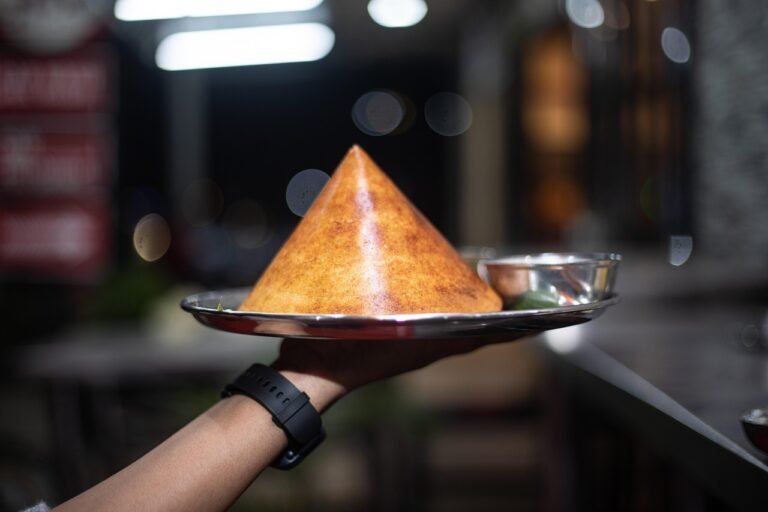
Idli is a popular South Indian breakfast made from fermented batter and cooked by steaming. Since it does not require deep-frying, it is generally a lower-oil option. Plain dosa is another familiar choice, prepared on a hot griddle with the amount of oil varying by recipe and cooking method.
Both dishes can be served with sambar and chutney to add lentils, vegetables, and flavour to the meal. Explore more options in our guide to South Indian breakfast dishes.
Rasam, Sambar and Curd Rice
Rasam is a thin, flavourful preparation commonly made with tamarind, tomatoes, and spices. It is often served as part of a traditional South Indian meal. Sambar combines lentils with vegetables and spices, making it a useful source of plant-based protein and dietary variety.
Curd rice combines cooked rice with yoghurt and is a popular comfort food in many South Indian households. Yoghurt contains live cultures when made with active bacterial cultures, although the probiotic content can vary by preparation.
When served in sensible portions and prepared with moderate amounts of oil and salt, these dishes can form part of a balanced meal.
A Guide to Smart, Healthy Choices
The following table highlights popular South Indian dishes, their key nutritional features, and occasions when they may be suitable choices.
| Dish | Why it’s a good choice | Best for |
|---|---|---|
| Idli | Steamed and generally low in added oil | Light breakfast |
| Plain dosa | Can be prepared with minimal oil | Breakfast or a light meal |
| Rasam | A light, flavourful preparation made with spices and tamarind | Starter or side dish |
| Sambar | Contains lentils and vegetables | Everyday meals |
| Curd rice | Combines rice and yoghurt | A simple, filling meal |
These options can help you build varied meals without making food choices unnecessarily complicated. Pairing different dishes also helps bring a wider range of ingredients and nutrients into your diet.
Eating South Indian Food the Healthy Way
Even dishes made with nutritious ingredients can become heavier depending on how they are prepared. A few simple choices can help make everyday South Indian meals more balanced.
- Choose steamed dishes such as idli more often than deep-fried snacks.
- Prefer plain dosa prepared with moderate amounts of oil.
- Include sambar or other lentil-based preparations to add plant-based protein.
- Add vegetable dishes to increase variety and dietary fibre.
- Keep portions of coconut-based chutneys and oil-rich preparations moderate.
- Balance rice-based meals with vegetables, lentils, and curd where suitable.
For those looking for healthy South Indian breakfast options, there are plenty of choices, from steamed idli and plain dosa to soft pongal. The key is to consider preparation methods, portion sizes, and accompaniments rather than assuming that every traditional dish is automatically light.
The Everyday Benefits of South Indian Food
South Indian cuisine offers a wide range of ingredients and cooking methods that can support a balanced eating pattern. Rice and lentils provide energy and plant-based protein, while vegetables contribute dietary fibre and essential nutrients. Fermented foods such as idli and dosa also add variety to everyday meals.
Spices such as turmeric, mustard seeds, and curry leaves are valued for their flavour and traditional culinary uses. Their presence adds depth to dishes without requiring heavy sauces or rich ingredients.
The appeal of South Indian food lies in this combination of familiar ingredients, regional recipes, and varied preparation methods. With thoughtful portions and balanced meal combinations, these dishes can be enjoyed as part of an everyday diet.
Bringing Healthy South Indian Food to More People
Interest in lighter meals, vegetarian choices, and traditional regional cuisine has helped South Indian food reach diners well beyond the southern states. Dishes such as idli, dosa, sambar, and pongal are now familiar choices across many parts of India.
This popularity also creates opportunities for businesses interested in serving South Indian cuisine. Mysore Tiffanys brings these traditional food options to its customers and has a 4.6-star rating across more than 6,019 Google reviews. Its food traditions are rooted in the flavours and culinary heritage explored in our guide to traditional food of Karnataka.
For those interested in taking this cuisine to their city, the brand offers franchise formats such as a veg restaurant franchise in India and an idli franchise business.
To learn more, contact the team at +91 90359 82324 or franchise@mysoretiffanys.com, or visit the Mysore Tiffanys franchise page.
Frequently Asked Questions
Q1. What is the healthiest South Indian food?
Steamed idli is often considered a lighter South Indian food choice because it is prepared without deep-frying. Plain dosa made with minimal oil, rasam, sambar, and curd rice can also be part of a balanced diet. Their nutritional value depends on the ingredients, preparation methods, and portion sizes.
Q2. Is South Indian food good for weight management?
South Indian food can fit into a weight-management diet. Options such as steamed idli, plain dosa, and rasam can be relatively light, while lentil-based dishes such as sambar add protein and help make meals more satisfying. Portion sizes and the amount of oil, ghee, and coconut used also matter.
Q3. Why is fermented food like idli and dosa considered healthy?
Fermentation changes the composition of idli and dosa batter and can improve the availability of certain nutrients. It may also make some components easier to digest. These qualities, along with cooking methods such as steaming idli, make fermented dishes a popular part of South Indian meals.
Q4. What are some low-calorie South Indian breakfast options?
Steamed idli and plain dosa prepared with minimal oil are common lighter breakfast choices. Soft pongal can also be an option, depending on how much ghee and other ingredients are used. Serving these dishes with sambar adds lentils and vegetables to the meal.
Q5. Is South Indian food suitable for a vegetarian diet?
Yes. South Indian cuisine offers a wide variety of vegetarian dishes, including idli, dosa, sambar, rasam, curd rice, and vegetable-based preparations. Many traditional recipes use rice, lentils, vegetables, and coconut, making it easy to create varied vegetarian meals.